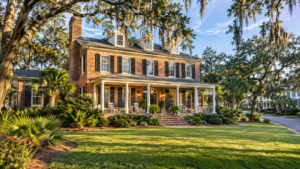
Should you choose a 55+ community or a traditional neighborhood in Summerville, SC?
It depends on how you want to spend your time and your money. A 55+ community in Cane Bay, Nexton, or Summers Corner gives you built-in social life and zero yard work, while a traditional neighborhood offers more autonomy and a broader resale market.
Why This Matters Right Now in the Summerville Corridor
If you are in your upper 50s and thinking about the next chapter, you are not alone. The Summerville corridor has become one of the most active areas for age-targeted new construction in the entire Charleston market, and inventory is tightening. New single-family listings across the Summerville corridor have declined, and across the entire Charleston Trident MLS, new listings dropped in the same period as well.
What does that mean for you? Fewer homes hitting the market means less to choose from, whether you are eyeing a 55+ community like Del Webb Cane Bay or a traditional neighborhood elsewhere in Summerville. I have sold in all of these neighborhoods, and right now, the buyers who do their homework before listings go live are the ones who land the right home. That is exactly why understanding the real pros and cons, not just the marketing brochures, matters more than ever.
What Legally Defines a 55+ Community in Cane Bay, Nexton, and Summers Corner
Before you compare lifestyle features, you need to understand what “55+” actually means from a legal standpoint. Under the federal Housing for Older Persons Act (HOPA), a community qualifies for the 55+ exemption to the Fair Housing Act’s familial-status protections when at least 80% of occupied units have at least one resident aged 55 or older, the community publishes and follows policies demonstrating its intent to be 55+ housing, and it maintains age-verification procedures.
What That Means in Practice
This is important: a 55+ community is not required to be 100% age 55 and older. Up to 20% of units may be occupied by younger residents. So if you have concerns about a spouse under 55 or want to understand whether grandchildren could visit or stay for extended periods, the answer often depends on the specific community’s rules, not just federal law. I always recommend verifying a community’s current HUD-compliant certification status before you commit. If you are looking at Del Webb Cane Bay, Del Webb Nexton, Horizons at Summers Corner, or Four Seasons at Cane Bay, each one operates under its own covenants within this federal framework.
The Real Pros of a 55+ Community in Summerville
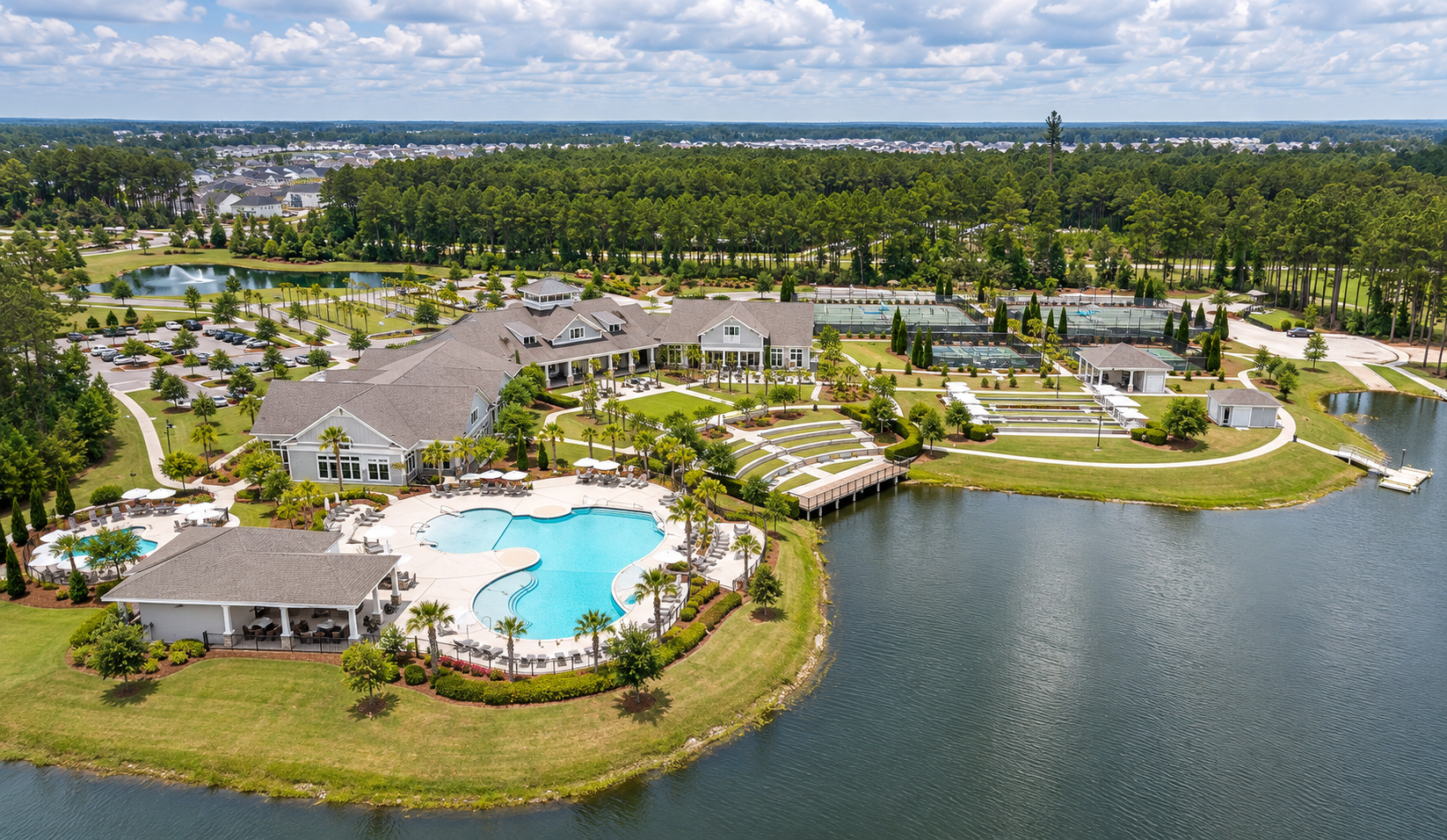
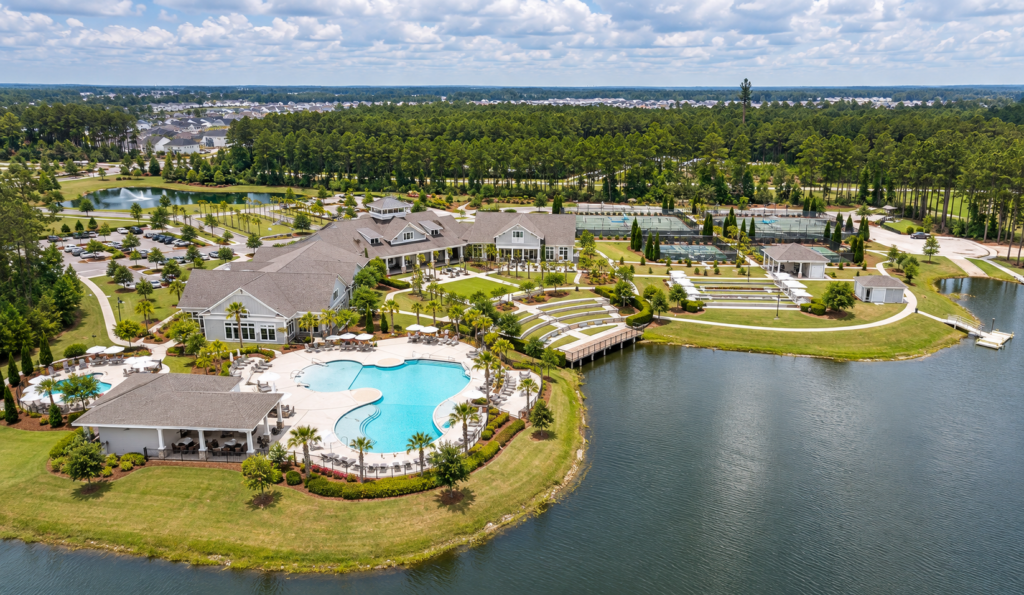
You have probably seen the glossy photos of resort-style pools and pickleball courts. Those amenities are real, and they are genuinely one of the biggest draws. But the benefits go deeper than that.
Maintenance-Free Living
In a 55+ community, the HOA typically handles your yard maintenance, landscaping, and often exterior upkeep. That is not just a convenience; it is a financial and physical relief that grows more meaningful every year as you age. In the Charleston area, hiring out lawn care and basic landscaping for a typical lot can cost anywhere from roughly $100 to $250 per month. When the HOA covers it, that cost is already baked into your monthly fee.
Built-In Social Life and Activities
What I tell my clients is this: the entertainment factor in these communities gives residents something to do every single day. In general, residents are very happy. The social calendars at communities like Del Webb Nexton and Horizons at Summers Corner are packed with clubs, fitness classes, game nights, and organized outings.
Neighbors at a Similar Life Stage
Your neighbors are going through the same transition you are. That shared experience creates natural connections. You are not living next to a house with a garage band or a backyard trampoline. The noise levels, pace, and rhythm of daily life tend to match your own.
The Honest Cons of a 55+ Community You Need to Consider
Now, here is the part that does not always make it into the brochures, and it is just as important.
HOA Rules Can Feel Restrictive
One of my clients shared that the engagement of the HOA can be too much. You may be limited on things like how many flags you can display in your yard. Details like exterior paint colors, holiday decorations, and even the type of plants in your front bed may all be governed by community covenants. Here is the thing: whoever buys into these neighborhoods has to sign off that they received a copy of the covenants and restrictions. That is why it is so important to read these documents thoroughly before you sign anything. If you want a copy of the covenants for any of these Summerville communities, drop me a quick message and I will send them to you.
The Monthly HOA Fee Is a Permanent Cost
You need to model this into your retirement income. I work in these communities regularly, and here is what the current monthly HOA fees look like in the Summerville and Charleston area (verify directly with each community’s HOA before purchasing, as these can change):
- Del Webb Cane Bay: $342 per month
- Del Webb Nexton: $320 per month
- Del Webb Point Hope: $286 per month
- Horizons by Lennar (Summers Corner): $369 per month
- Four Seasons by K. Hovnanian (Cane Bay): $327 per month
Those fees cover a lot, including amenities and maintenance. But they are not optional, they can increase over time, and they do not go away when you pay off your mortgage. If you are on a fixed retirement income, you need to know exactly what that number is and what it covers before you commit.
A Narrower Resale Market
Because the community must maintain at least 80% of occupied units with a resident aged 55 or older to keep its HOPA exemption, the practical resale audience is generally narrower than in a traditional neighborhood — an estate attorney or the community’s HOA can confirm how this affects a specific sale than it would be in a traditional neighborhood. This does not mean your home will not sell; it means the pool of eligible buyers is inherently more limited.
The Pros and Cons of a Traditional Summerville Neighborhood
Maybe you are looking at this from the other direction. You like the idea of Summerville but are not sure the 55+ lifestyle is for you. Here is what a traditional neighborhood offers.
Full Control and Flexibility
No age restrictions means anyone can buy your home when it is time to sell, giving you the broadest possible resale market. HOA fees, where they exist in traditional neighborhoods, are typically lower, and covenants tend to be less prescriptive. You paint your door the color you want. You fly as many flags as you please.
Multigenerational Living Is Simple
If your adult children or grandchildren might move in, visit for extended stays, or if you want to age in place with family nearby, a traditional neighborhood removes any legal complication. With 107 closed transactions and 7 years of experience across Charleston, Mount Pleasant, and Summerville, I have seen how important this flexibility is for families navigating life transitions.
The Trade-Offs Are Real
You are responsible for all yard and exterior maintenance. Social programming does not exist unless you build it yourself. Amenities like a pool, fitness center, or clubhouse are not included; you would need a separate gym membership or community recreation center. And your neighbors might be at very different life stages, which can mean more noise, different schedules, and a community that does not naturally center around your priorities.
Breaking Down the True Cost: 55+ Community vs. Traditional Neighborhood in Summerville
This is where the decision often comes down to math. You need to look beyond the sticker price of the home and compare total monthly housing costs.
Building Your Comparison
For any home you are considering, add up the following: mortgage or principal payment, property taxes, homeowner’s insurance, and HOA fee. Then, for a traditional neighborhood, add the cost of services the 55+ HOA would have covered, like lawn care, landscaping, and possibly exterior maintenance.
If a 55+ community charges $342 per month (Del Webb Cane Bay, for example) and a comparable traditional neighborhood charges $75 per month in HOA dues, the difference is $267 per month, or about $3,204 per year. But if you are paying $150 per month for lawn care and landscaping in the traditional neighborhood, your real gap narrows considerably. Every situation is different, which is why I walk my clients through this comparison side by side before they make a decision.
What the Fee Actually Buys
In a 55+ community, that monthly fee typically covers exterior and yard maintenance, access to the clubhouse, pools, fitness center, and organized social activities. In a traditional neighborhood, a lower HOA fee might cover common area maintenance and not much else. Make sure you are comparing apples to apples.
Who Thrives in a 55+ Community and Who Does Not
These communities are best suited for people who like being active and social. If you love the idea of walking out your front door to a fitness class, joining a book club without leaving the neighborhood, or playing pickleball three days a week, you will likely thrive.
If you are someone who values quiet, privacy, and independence above social programming, the structure may feel like too much. There is no right or wrong answer here; it is about knowing yourself. I have earned a 5.0 out of 5 star rating across 33 client reviews, and a big part of that comes from having honest conversations about fit, not just features. I would rather you hear the full picture from me than be surprised after closing.
So how do you decide? Let me answer the questions I hear most often.
Frequently Asked Questions About 55+ Communities in Summerville, SC
Can someone under 55 live in a 55+ community?
Under HOPA, at least 80% of occupied units must have a resident aged 55 or older. That means up to 20% of units can be occupied by younger residents. If your spouse is under 55, you can generally still purchase. However, individual community rules vary, so verify the specific policy at Del Webb Cane Bay, Nexton, or whichever community you are considering before making assumptions.
What do the HOA fees cover in Summerville’s 55+ communities?
In most cases, the monthly HOA fee covers yard and exterior maintenance, access to the community clubhouse, fitness center, pools, and organized activities and social events. The exact inclusions vary by community. For example, Horizons at Summers Corner carries a monthly HOA fee toward the upper end of the range I see across local 55+ communities, so understanding exactly what that fee includes is essential.
Can HOA fees increase over time?
Yes. HOA fees can increase over time. The HOA board typically votes on fee adjustments based on the community’s operating budget, reserve fund needs, and maintenance costs. When planning your retirement budget, it is wise to assume some level of annual increase and ask the HOA directly about past fee changes before purchasing.
What happens if I want to rent out my home in a 55+ community?
Rental policies vary by community. Some 55+ communities in the Summerville corridor allow rentals with restrictions, such as minimum lease terms or requiring the tenant to meet the age qualification. Check the specific community’s covenants and restrictions for its rental policy. This is one of many details outlined in the covenants and restrictions. Read them before you buy.
Are 55+ communities only for retirees?
Not at all. Many residents are still working, whether full-time, part-time, or running their own businesses. The age requirement is 55, not “retired.” In my experience, many buyers in Del Webb Nexton and Cane Bay are in their late 50s and still have several working years ahead of them.
Is it harder to sell a home in a 55+ community?
Because most occupants must be 55 or older under HOPA, the practical pool of buyers is narrower than in a traditional neighborhood, which can mean fewer competing offers compared to a traditional neighborhood. That said, the Summerville corridor continues to see active interest in age-targeted new construction, and limited supply has reduced selection across the board.
What is the difference between Del Webb communities in Cane Bay and Nexton?
Both are Del Webb/Pulte communities, but their locations within Summerville give them different feels. Del Webb Cane Bay sits within the larger Cane Bay Plantation development, while Del Webb Nexton is positioned within the broader Nexton master plan, which is known for walkability and connectivity. Monthly HOA fees differ slightly between the two — verify current figures directly with each community’s HOA before purchasing.
What is Horizons at Summers Corner like?
Horizons by Lennar is the newest of the named 55+ communities in the Summerville market. It is located within Summers Corner and carries a monthly HOA fee of $369. Being newer, it often has the most current finishes and design options, but it is still building out its community culture compared to more established neighborhoods.
Do I need to read the covenants and restrictions before buying?
Absolutely. Every buyer is required to sign an acknowledgment that they received a copy of the community’s covenants and restrictions before closing. These documents govern everything from exterior modifications to flag displays to pet policies. I cannot overstate how important it is to read these thoroughly. If you want a copy for any Summerville 55+ community, reach out to me and I will send one.
Can my grandchildren visit or stay in a 55+ community?
In most 55+ communities, guests including grandchildren are welcome to visit. Extended stays may be subject to rules, such as a maximum number of consecutive days. Check the specific community’s guest policy in the covenants and restrictions, as each community sets its own limits.
The Bottom Line on Choosing Between a 55+ Community and a Traditional Neighborhood in Summerville
This decision comes down to how you want your daily life to feel. If you value built-in social connections, want someone else handling the yard, and enjoy an active lifestyle with amenities at your doorstep, a 55+ community in Cane Bay, Nexton, or Summers Corner may be exactly right. If you prioritize autonomy, flexibility for multigenerational living, and lower monthly overhead, a traditional Summerville neighborhood deserves serious consideration.
Either way, you deserve an honest comparison, not a sales pitch. As a Realtor of Distinction with AgentOwned Realty Charleston Group, I have helped buyers navigate this exact decision across every one of these neighborhoods. If you want a copy of any community’s covenants and restrictions, or just want to talk through what makes sense for your budget and your lifestyle, call me at 843-714-3806 or send me a message. I am Irina Bordyn, and I would love to help you figure this out.